Introduction to AI Coding Assistants
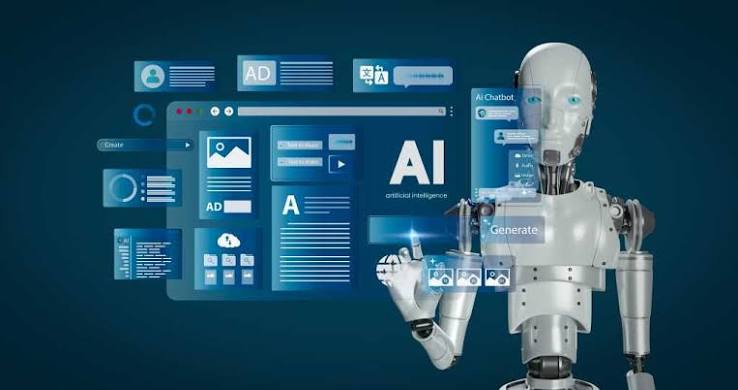
In recent years, the software development landscape has undergone significant transformations, driven in part by the emergence of Artificial Intelligence (AI) coding assistants. These tools, designed to aid developers in their coding tasks, are not just simple auto-completion features but are instead sophisticated platforms that can analyze code, provide insights, and even generate code snippets based on the context of the project. As we delve into 2026, it's crucial to understand how these AI coding assistants are reshaping the software development workflow.
The Role of AI in Coding
AI coding assistants use machine learning algorithms to learn from vast amounts of code data. This learning enables them to predict and suggest code completions, identify potential bugs, and even refactor code to make it more efficient and readable. For developers, this means a significant reduction in the time spent on mundane coding tasks, allowing them to focus on the more complex and creative aspects of software development.
Impact on Software Development Workflow
The integration of AI coding assistants into the software development workflow has several implications. Firstly, it enhances productivity. By automating routine coding tasks, developers can complete projects faster. Secondly, it improves code quality. AI assistants can detect errors and vulnerabilities that human developers might overlook, leading to more reliable software. Lastly, it facilitates learning. For junior developers, AI coding assistants can serve as a valuable learning tool, providing insights into best practices and coding standards.
Examples of AI Coding Assistants
Several AI coding assistants are currently making waves in the development community. Tools like GitHub Copilot and Kite are popular among developers for their ability to provide real-time code suggestions and auto-completion. These tools are not limited to specific programming languages and can be integrated into various development environments, making them versatile and widely applicable.
Challenges and Limitations
While AI coding assistants hold tremendous promise, they are not without challenges. One of the significant concerns is dependency on AI. Over-reliance on these tools might diminish developers' problem-solving skills. Additionally, ethical considerations come into play, especially concerning copyright and ownership of AI-generated code. Lastly, the quality of training data is crucial; biased or poorly maintained data can lead to subpar performance of the AI assistant.
Future of AI in Software Development
Looking ahead, the future of software development is inevitably intertwined with AI. As these technologies continue to evolve, we can expect to see more sophisticated AI coding assistants that not only aid in coding but also in the design and planning phases of software development. For Africa's growing tech scene, particularly in countries like Ghana, embracing AI coding assistants could be a strategic move to enhance the competitiveness of local tech industries in the global market.
Example of AI-generated code snippet:
// Auto-generated by AI coding assistant
function greet(name: string) {
  console.log(`Hello, ${name}!`);
}
// Usage
const name = 'John';
greet(name);
In conclusion, AI coding assistants are revolutionizing the software development workflow by enhancing productivity, improving code quality, and facilitating learning. As we move forward in 2026 and beyond, understanding and leveraging these tools will be essential for developers and organizations looking to stay at the forefront of the tech industry.